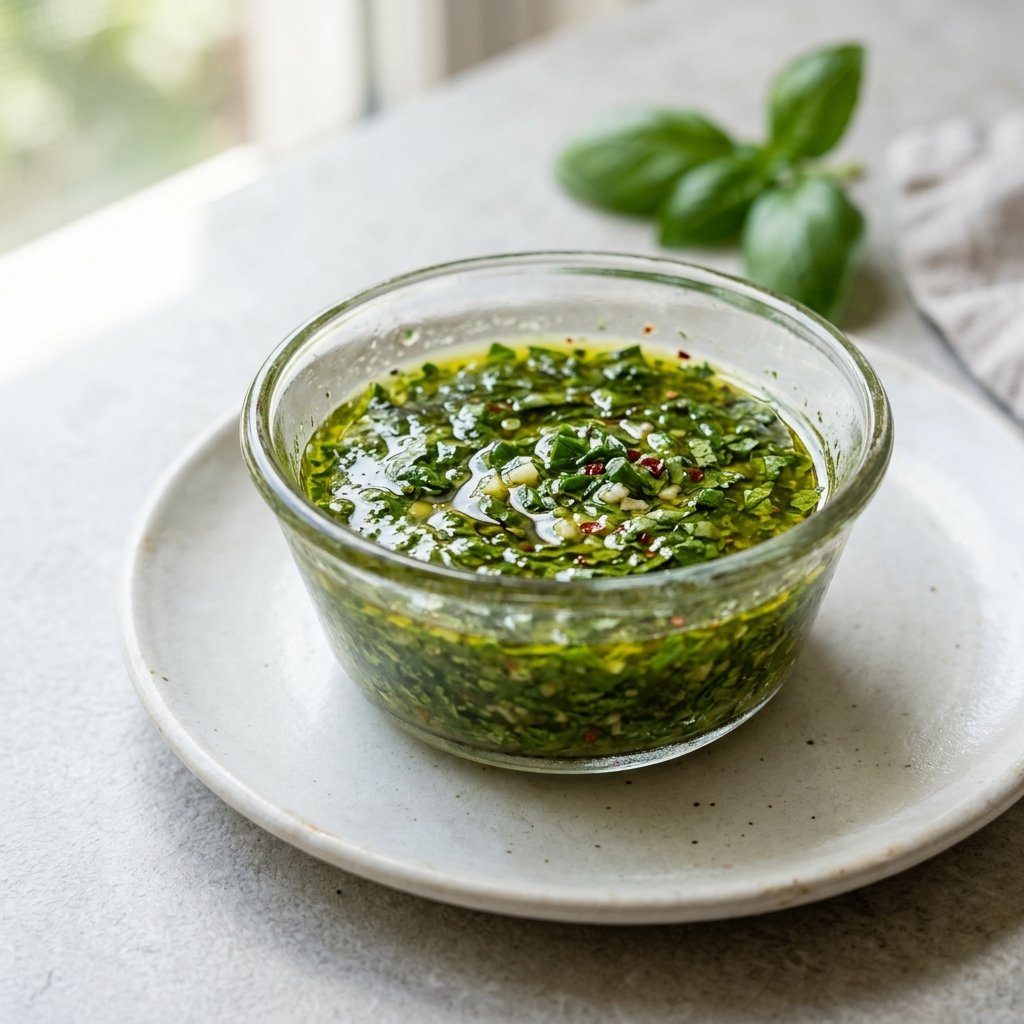
If you’ve been looking for a fresh, versatile basil dressing recipe that tastes like sunshine in a bowl, this is the one I keep coming back to. It’s bright from fresh lemon, deeply herby from a generous handful of basil, and rich enough from olive oil to feel special without being heavy. The texture is intentionally a little rustic and spoonable, which makes it especially lovely drizzled over salads, roasted vegetables, grain bowls, or grilled chicken.
I love recipes like this because they make ordinary meals feel much more exciting with almost no effort. When basil is abundant, this dressing is one of the easiest ways to use it up while actually letting its flavor shine. The lemon keeps everything lively, the garlic gives it backbone, and a small touch of Dijon helps pull it all together into a vinaigrette that tastes balanced and fresh.
You don’t need any complicated technique here, just good ingredients and a few minutes. I’ll walk you through exactly how I make it, plus a few easy ways to adjust it depending on what you’re serving and how bold you want the flavor to be.
Quick Recipe Info
| Prep Time | 10 minutes |
| Cook Time | 0 minutes |
| Total Time | 10 minutes |
| Servings | 8 servings |
| Difficulty | Easy |
Why You’ll Love It
- It’s full of fresh basil flavor without tasting heavy or overly oily.
- The lemon keeps the dressing bright and clean-tasting.
- You can make it in about 10 minutes with simple pantry ingredients.
- It works as both a salad dressing and a quick sauce for vegetables, grains, seafood, or chicken.
- The texture is rustic and spoonable, so it clings beautifully to ingredients.
- It’s easy to tweak depending on whether you want it tangier, smoother, or more garlicky.
Nutritional Benefits and Adaptable Variations
Nutritional Benefits
This dressing gets much of its richness from olive oil, which gives it a satisfying texture and heartier feel than many bottled dressings. Fresh basil adds color and a lively herbal note, while lemon juice brings brightness without needing extra sugar. Garlic and Dijon contribute big flavor in small amounts, so the dressing tastes layered and interesting with relatively few ingredients. As always, nutrition can vary depending on your exact ingredient brands and portion size, but this is a flavorful homemade option when you want something fresh and simple.
Adaptable Variations
You can easily make this basil dressing recipe your own. For a softer bite, reduce the garlic slightly. If you like a sweeter balance, add a little honey or maple syrup. For a looser vinaigrette, whisk in an extra tablespoon or two of olive oil or a splash of water. If you want a more savory edge, a spoonful of grated Parmesan is delicious, though it changes the dressing from dairy-free to dairy-containing. You can also swap part of the basil with parsley if your basil supply is limited, but I prefer keeping basil as the star.
Ingredients
For the basil vinaigrette
- 2 cups packed fresh basil leaves
- 1/2 cup extra-virgin olive oil
- 3 tablespoons fresh lemon juice
- 1 teaspoon lemon zest
- 1 tablespoon Dijon mustard
- 1 small garlic clove, minced
- 1/2 teaspoon kosher salt
- 1/4 teaspoon black pepper
- 1 teaspoon honey, optional
- 1 to 2 tablespoons water, as needed to loosen
Step-by-Step Instructions
- Add the basil leaves, olive oil, lemon juice, lemon zest, Dijon mustard, minced garlic, salt, black pepper, and optional honey to a small food processor or blender.
- Pulse several times, then blend just until the mixture is mostly combined. I like to stop while the dressing still has a slightly textured, herb-speckled look rather than blending it completely smooth.
- Scrape down the sides and taste. If you want more brightness, add a little more lemon juice. If it tastes too sharp, add the honey if you haven’t already.
- If the dressing seems thicker than you want, blend in 1 tablespoon of water at a time until it reaches your preferred consistency. For salads, I usually keep it pourable but still thick enough to cling.
- Transfer the dressing to a jar or small bowl and let it sit for 5 minutes before serving so the flavors can settle together. Stir before using.
Tips, Serving Suggestions & Substitutions
Best Tip
Don’t over-blend. A short blend keeps the basil fresh-tasting and gives the dressing that beautiful rustic texture instead of turning it into a completely pureed green sauce.
Serving Suggestions
I love this spooned over simple greens, tomato salad, grilled zucchini, roasted potatoes, farro bowls, or sliced chicken. It’s also very good drizzled over mozzarella and tomatoes or used as a finishing sauce for salmon.
Substitutions
If you don’t have Dijon, a small amount of whole grain mustard works. If you prefer lime, you can swap it for lemon, though the flavor will be different. Maple syrup can replace honey, and if you need a milder allium flavor, try a small piece of shallot instead of garlic.
Nutrition Information
| Calories | 84 | Carbohydrates | 2 g |
| Protein | 0.4 g | Fat | 9 g |
| Saturated Fat | 1.3 g | Sodium | 155 mg |
| Fiber | 0.2 g | Sugar | 0.8 g |
| Cholesterol | 0 mg | Serving Size | About 2 tablespoons |
Nutrition values are approximate estimates per serving and can vary based on exact ingredients used.
Storage & Make-Ahead Tips
Refrigerator: Store the dressing in a sealed jar or airtight container in the refrigerator for up to 3 days. The color is brightest on the first day, but it will still taste good after that.
Before serving: Olive oil may firm up slightly when chilled, so let the dressing sit at room temperature for 10 to 15 minutes and stir or shake well before using.
Make-ahead note: This is a great dressing to prepare earlier in the day. If you want the freshest green color, blend it close to serving time.
FAQ
Can I make this basil dressing recipe without a blender?
Yes, although the texture will be chunkier. Finely chop the basil and garlic by hand, then whisk everything together in a bowl. It won’t emulsify quite as smoothly, but it will still taste wonderful.
Why did my dressing turn bitter?
Basil can become bitter if it’s over-processed or if the oil is especially robust. Try pulsing just until combined and use a good-quality olive oil with a flavor you enjoy on its own.
Can I freeze it?
You can freeze it in small portions, but the texture may separate slightly after thawing. Stir or blend again before serving. For the freshest flavor and color, I prefer making a small batch and using it within a few days.
What should I serve it with besides salad?
Try it over grilled vegetables, spooned onto sandwiches, drizzled over grain bowls, or paired with chicken, shrimp, or salmon. It also works nicely as a quick dip for crusty bread.
How can I keep the color bright green?
Use very fresh basil, blend briefly, and store the dressing cold in a tightly sealed container. A little extra lemon juice can also help the color stay lively for a bit longer.
Final Thoughts
I really think this is one of those small recipes that can change the whole mood of a meal. It’s quick, fresh, and flexible, and once you make it once, you’ll probably start finding excuses to keep a jar of it in the fridge. If you try this basil vinaigrette with fresh lemon, I’d love to hear how you served it. Feel free to leave a comment, share it with a friend, or save it to Pinterest for later.
Basil Vinaigrette with Fresh Lemon
Ingredients
Equipment
Method
- Add the basil leaves, olive oil, lemon juice, lemon zest, Dijon mustard, minced garlic, salt, black pepper, and optional honey to a small food processor or blender.
- Pulse several times, then blend just until mostly combined, keeping the texture slightly rustic rather than fully smooth.
- Scrape down the sides and taste. Add a little more lemon juice for extra brightness if desired.
- Blend in 1 tablespoon of water at a time as needed until the dressing reaches your preferred consistency.
- Transfer to a jar or small bowl and let sit for 5 minutes before serving. Stir or shake before using.